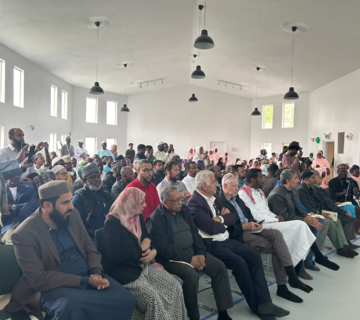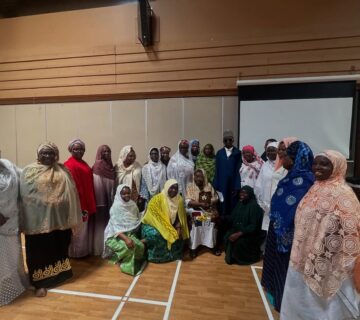
Every evening during the holy month of Ramadan, at the moment the sun dips below the horizon, millions of Muslims around the world come together — in homes, mosques, and public squares — to share the sacred meal known as Iftar. Though the act is universal, the traditions behind it are wonderfully diverse.
The word Iftar comes from the Arabic root meaning “to break,” reflecting the moment when the day’s fast is lifted. While Muslims everywhere follow the prophetic tradition of starting with dates and water, what follows varies beautifully from country to country — shaped by local culture, family heritage, and centuries of tradition.
Iftar Traditions From Around the Muslim World
From the lantern-lit streets of Cairo to the communal long tables of Malaysia, here is a glimpse into how different Muslim communities around the world celebrate the breaking of the fast.
Morocco (North Africa)
In Morocco, Iftar begins with Harira — a hearty tomato and lentil soup that has warmed families for generations. Alongside it, warm chebakia pastries dipped in honey are a beloved staple of the Ramadan table. Families gather around a spread of dates, milk, and msemen flatbread as the call to prayer echoes through the medina. The Moroccan Iftar is a deeply communal affair, often stretching long into the evening with mint tea and conversation.
Turkey (Middle East / Europe)
Ottoman-inspired Iftar tables in Turkey feature pide bread fresh from the oven, olives, white cheese, and rich lentil soups like Mercimek çorbası. In Istanbul and other major cities, cannons are still fired at sunset to signal the breaking of the fast — a custom dating back hundreds of years to the Ottoman Empire. Street vendors sell simit and other snacks as families make their way to mosques for Tarawih prayers after the meal.
India & Pakistan (South Asia)
The Iftar spread across the Indian subcontinent is a vibrant feast of flavours. Crispy pakoras, golden samosas, tangy fruit chaat, and cooling sharbat drinks fill the table as families and neighbours gather. Generosity is a defining feature of Iftar culture here — it is considered a great blessing to feed others during Ramadan, and mosques regularly host community Iftars that bring together hundreds of people from all walks of life.
Indonesia (Southeast Asia)
In Indonesia, Iftar is called Buka Puasa — literally “opening the fast.” The streets come alive in the hours before sunset, with vendors selling takjil: an array of sweet snacks and drinks prepared specially for Ramadan. A favourite dish is kolak, a warm, comforting dessert made from coconut milk, banana, and sweet potato. Indonesian Iftar culture is vibrant and communal, with families, friends, and workplaces gathering together to share the meal.
Nigeria (West Africa)
In northern Nigeria, communities break their fast with Fura da Nono — a refreshing fermented milk drink blended with millet balls — alongside suya (spiced grilled meat) and puff-puff (fried dough). Large communal Iftars are a treasured tradition, reinforcing the bonds of brotherhood, sisterhood, and charity that are central to Ramadan. The spirit of giving is strong: families often prepare extra food to share with neighbours and those in need.
UAE & The Gulf States (Arabian Peninsula)
Lavish Iftar tents are a hallmark of Gulf culture during Ramadan. Hotels, mosques, and families set up elaborate spreads featuring harees, whole roasted lamb, fresh salads, and the iconic kunafa dessert. Hospitality is central to the Gulf Iftar experience — it is considered a great honour to host guests at your table, and many families open their doors to friends, colleagues, and strangers alike throughout the holy month.
What Unites Every Iftar Table
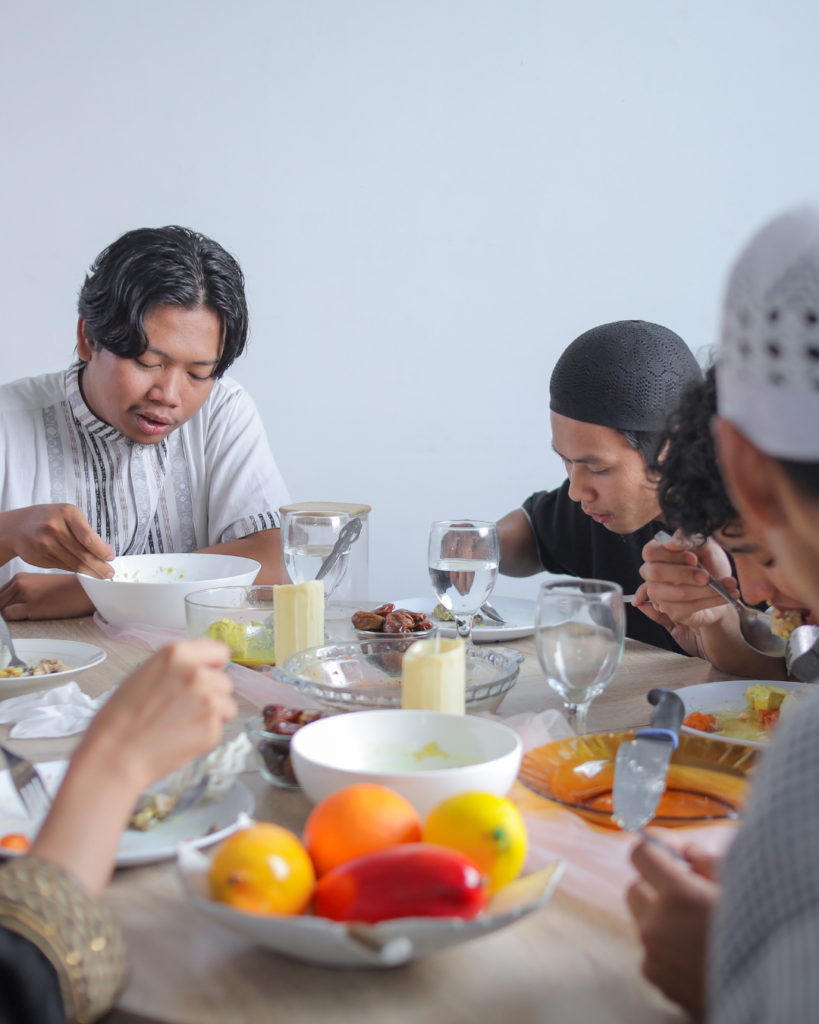
Despite the remarkable variety of foods and customs, certain values are woven into every Iftar celebration worldwide. Gratitude and mindfulness are at the heart of the meal — having fasted since dawn, every bite carries extra meaning. Generosity is another constant: many communities make a special effort during Ramadan to ensure that no one breaks their fast alone or hungry.
Family and community are central too. Whether it is a household of three or a mosque feeding five hundred, Iftar is deeply communal. The act of sitting together, passing dishes, and sharing conversation after a long day of restraint creates a warmth that is universally felt across Muslim communities.
Celebrating Iftar in Our Community
No matter where you are from, your Iftar tradition is part of this beautiful global tapestry. We warmly invite members of our community to share their own Iftar customs, recipes, and memories — because it is in these stories that our community’s spirit truly lives.
What does your family’s Iftar table look like? Which dishes are non-negotiable? Which traditions have been passed down through generations? Share your story with us in the comments below.
Ramadan Mubarak to all — may this holy month bring peace, reflection, and joy to you and your loved ones.